Tuesday, 3 February 2026

Latest from Food Politics: The FDA's promised work plan for 2026: ambitious, yes, but doable?

  I thought this post on X was well worth a follow up.   I went right to the site: Human Foods Program 2026 Priority Deliverables. Its vision: “to ensure that food serves as a vehicle for wellness. ” Its mission: “to protect and promote the ...
‌ ‌ ‌ ‌ ‌ ‌ ‌ ‌ ‌ ‌ ‌ ‌ ‌ ‌ ‌ ‌ ‌ ‌ ‌ ‌ ‌ ‌ ‌ ‌ ‌ ‌ ‌ ‌ ‌ ‌ ‌ ‌ ‌ ‌ ‌ ‌ ‌ ‌ ‌ ‌ ‌ ‌ ‌ ‌ ‌ ‌ ‌ ‌ ‌ ‌ ‌ ‌ ‌ ‌ ‌ ‌ ‌ ‌ ‌ ‌ ‌ ‌ ‌ ‌ ‌ ‌ ‌ ‌ ‌ ‌ ‌ ‌ ‌ ‌ ‌ ‌ ‌ ‌ ‌ ‌ ‌ ‌ ‌ ‌ ‌ ‌ ‌ ‌ ‌ ‌ ‌ ‌ ‌ ‌ ‌ ‌ ‌ ‌ ‌ ‌ ‌ ‌ ‌ ‌ ‌ ‌ ‌ ‌ ‌ ‌ ‌ ‌ ‌ ‌ ‌ ‌ ‌ ‌ ‌ ‌ ‌ ‌ ‌ ‌ ‌ ‌ ‌ ‌ ‌ ‌ ‌ ‌ ‌ ‌ ‌ ‌ ‌ ‌ ‌ ‌ ‌ ‌ ‌ ‌ ‌ ‌ ‌ ‌ ‌ ‌ ‌ ‌ ‌ ‌ ‌ ‌ ‌ ‌ ‌ ‌ ‌ ‌ ‌ ‌ ‌ ‌ ‌ ‌ ‌ ‌ ‌ ‌ ‌ ‌ ‌ ‌ ‌ ‌ ‌ ‌ ‌ ‌ ‌ ‌ ‌ ‌ ‌ ‌ ‌ ‌ ‌ ‌ ‌ ‌ ‌ ‌ ‌ ‌ ‌ ‌ ‌ ‌ ‌ ‌ ‌ ‌ ‌ ‌ ‌ ‌ ‌ ‌ ‌ ‌ ‌ ‌ ‌ ‌ ‌ ‌ ‌ ‌ ‌ ‌ ‌ ‌ ‌ ‌ ‌ ‌ ‌ ‌ ‌ ‌ ‌ ‌ ‌ ‌ ‌ ‌ ‌ ‌ ‌ ‌ ‌ ‌ ‌ ‌ ‌ ‌ ‌ ‌ ‌ ‌ ‌ ‌ ‌ ‌ ‌ ‌ 

By Marion Nestle

The FDA’s promised work plan for 2026: ambitious, yes, but doable?


I thought this post on X was well worth a follow up.  I went right to the site: Human Foods Program 2026 Priority Deliverables.

Its vision: “to ensure that food serves as a vehicle for wellness.”

Its mission: “to protect and promote the health and wellness of the American public through science-based approaches to prevent foodborne illness, reduce diet-related chronic disease, and ensure chemicals in food are safe.”

Its 2026 Priority Deliverables: these are listed in three categories: food chemical safety, nutrition, and microbiological food safety.

I.  Food Chemical Safety (my selection and summary)

  • Reform GRAS; regulate
  • Review safety of food chemcials
  • Conduct research on microplastics
  • Establish action levels for cadmium and inorganic arsenic in baby foods
  • Research consumer exposure to PFAS and other chemicals
  • Regulate new dietary ingredients
  • Modernize oversight of supplements
  • Collect opinions on allergens; develop regulations

II.  Reducing chronic disease through better nutrition

  • Research ultra-processed foods; develop definition
  • Research infant formula nutrient requirements
  • Recruit experts to develop a UPF policy agenda
  • Work toward issuing a front-of-package label to encourage healthier consumer choice and reformulation
  • Implement the “healthy” front-of-package label
  • Develop strategy to reduce added sugars
  • Evaluate phase I targets for sodium reduction
  • Issue guidance on food labeling for online shopping

III.  Microbiological food safety

  • Get states to take action
  • Increase oversight of imported food
  • Increase oversight of imported shrimp
  • Train growers to prevent produce contamination
  • Improve recall communication

Comment

I haven’t listed everything but this should give you the idea.  Lots of this involves “research,” “develop,” and “evaluate.”  Hardly any involves real regulation (except for chemical food additives).  Still, this is, or could be, an impressive list.

The most pressing area is microbial food safety, because we are still seeing so many people made ill by contaminated food, especially infant formula.

The big question: Where is the FDA going to get the resources needed to carry out this agenda?  The FDA, already working for decades on an increasingly bare-bones budget for all it is required to do, eliminated a fifth of its workforce last year.

And this administration prefers personal responsibility as the primary approach to dietary health.

It would be great if the FDA could do all this in 2026.  We are already in February.  It has best get busy.


The post The FDA’s promised work plan for 2026: ambitious, yes, but doable? appeared first on Food Politics by Marion Nestle

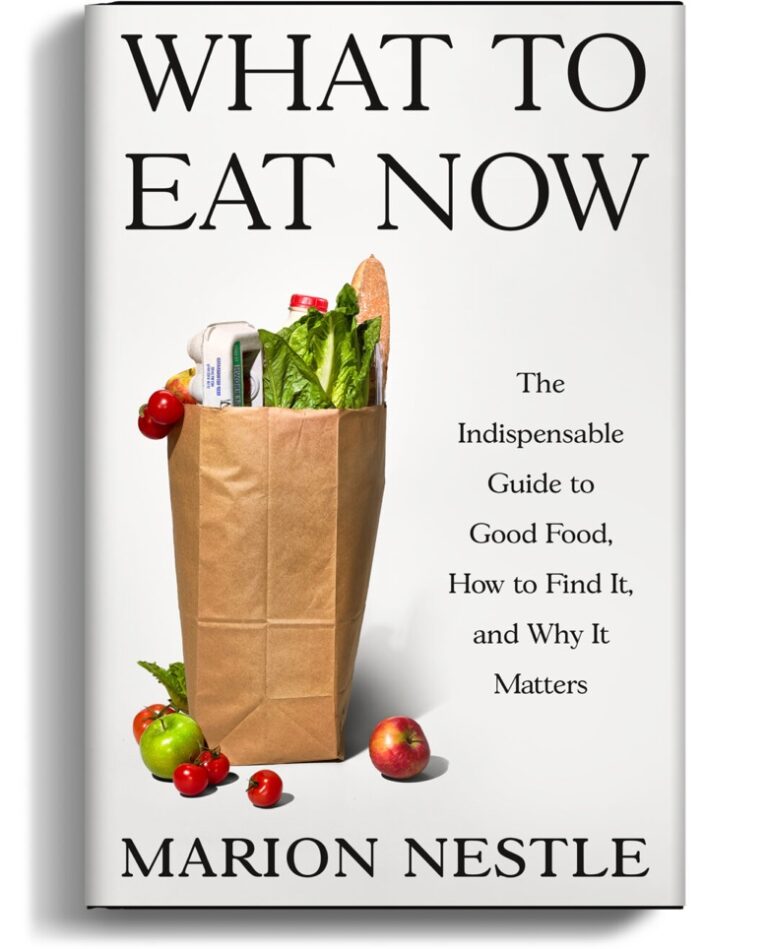
Now Available: What to Eat Now

My new book, What to Eat Now, is officially out!

It's both a field guide to food shopping in America and a reflection on how to eat well—and deliciously.

For more information and to order, click here.

You can explore the full archive of this (almost) daily blog at foodpolitics.comwhere you'll also find information about my books, articles, media interviews, upcoming lectures, favorite resources, and FAQs.


​​​​​​​

Marion Nestle

Paulette Goddard Professor of Nutrition, Food Studies, and Public Health at New York University, Emerita


© Marion Nestle. You're receiving this email because you've signed up to receive updates from us.

If you'd prefer not to receive updates, you can unsubscribe.


Monday, 2 February 2026

Latest from Food Politics: Industry-funded study of the week: avocados again

The study: Effects of replacing solid fats and added sugars with avocado in adults with elevated cardiometabolic risk: a randomized, double-blind, controlled feeding, crossover trial.   American Journal of Clinical Nutrition Volume 123,  Issue 2101137 ...
‌ ‌ ‌ ‌ ‌ ‌ ‌ ‌ ‌ ‌ ‌ ‌ ‌ ‌ ‌ ‌ ‌ ‌ ‌ ‌ ‌ ‌ ‌ ‌ ‌ ‌ ‌ ‌ ‌ ‌ ‌ ‌ ‌ ‌ ‌ ‌ ‌ ‌ ‌ ‌ ‌ ‌ ‌ ‌ ‌ ‌ ‌ ‌ ‌ ‌ ‌ ‌ ‌ ‌ ‌ ‌ ‌ ‌ ‌ ‌ ‌ ‌ ‌ ‌ ‌ ‌ ‌ ‌ ‌ ‌ ‌ ‌ ‌ ‌ ‌ ‌ ‌ ‌ ‌ ‌ ‌ ‌ ‌ ‌ ‌ ‌ ‌ ‌ ‌ ‌ ‌ ‌ ‌ ‌ ‌ ‌ ‌ ‌ ‌ ‌ ‌ ‌ ‌ ‌ ‌ ‌ ‌ ‌ ‌ ‌ ‌ ‌ ‌ ‌ ‌ ‌ ‌ ‌ ‌ ‌ ‌ ‌ ‌ ‌ ‌ ‌ ‌ ‌ ‌ ‌ ‌ ‌ ‌ ‌ ‌ ‌ ‌ ‌ ‌ ‌ ‌ ‌ ‌ ‌ ‌ ‌ ‌ ‌ ‌ ‌ ‌ ‌ ‌ ‌ ‌ ‌ ‌ ‌ ‌ ‌ ‌ ‌ ‌ ‌ ‌ ‌ ‌ ‌ ‌ ‌ ‌ ‌ ‌ ‌ ‌ ‌ ‌ ‌ ‌ ‌ ‌ ‌ ‌ ‌ ‌ ‌ ‌ ‌ ‌ ‌ ‌ ‌ ‌ ‌ ‌ ‌ ‌ ‌ ‌ ‌ ‌ ‌ ‌ ‌ ‌ ‌ ‌ ‌ ‌ ‌ ‌ ‌ ‌ ‌ ‌ ‌ ‌ ‌ ‌ ‌ ‌ ‌ ‌ ‌ ‌ ‌ ‌ ‌ ‌ ‌ ‌ ‌ ‌ ‌ ‌ ‌ ‌ ‌ ‌ ‌ ‌ ‌ ‌ ‌ ‌ ‌ ‌ ‌ ‌ ‌ ‌ ‌ ‌ ‌ ‌ ‌ ‌ ‌ ‌ ‌ 

By Marion Nestle

Industry-funded study of the week: avocados again

The study: Effects of replacing solid fats and added sugars with avocado in adults with elevated cardiometabolic risk: a randomized, double-blind, controlled feeding, crossover trial.  American Journal of Clinical Nutrition Volume 123, Issue 2101137 February 2026.

Objective: to assess the effects of replacing energy from solid fats and added sugars with equivalent energy from 1 avocado daily on cardiometabolic risk factors.

Methods: Study subjects were given a diet with or without an avocado a day to replace energy from saturated fatty acids and added sugars.

Results: While on the avocado diet, subjects improved their lipoprotein profiles.

Conclusions: Replacing solid fats and added sugars with avocado in a typical American diet improves the lipoprotein lipid profile in adults with
elevated triglycerides.

Funding: “The Avocado Nutrition Center of the Hass Avocado Board funded this research. The sponsor was allowed to comment on the study design as part of the application process. The sponsor had no role or involvement in the collection, analysis, or interpretation of the data; in the writing of the manuscript; or regarding the submission of the manuscript for publication, regardless of the results of the study.”

Conflict of interest:  The list of disclosed conflicts is much too long to bother to reproduce.  At least 3 of the 12 authors specifically disclose financial support from  from the Hass Avocado Board.

Comment: The disclosure statement is unusally forthcoming.  The funder had input into the study design, the part of the research process where industry influence is most likely to show up.  Funders are most likely to fund research that has the best chance of giving them the answers they want.  This was a cooperative effort to demonstrate the benefits of eating avocados.

I like avocados and appreciate that their fats are largely monounsaturated and benign or good for health.  But the purpose of this research is not about science; it is about avocado industry-sponsored research to market avocados.

I have no doubt the Hass Board would respond to this by saying, “if we don’t fund this kind of research, who will?”

That’s my point.

The post Industry-funded study of the week: avocados again appeared first on Food Politics by Marion Nestle

Now Available: What to Eat Now

My new book, What to Eat Now, is officially out!

It's both a field guide to food shopping in America and a reflection on how to eat well—and deliciously.

For more information and to order, click here.

You can explore the full archive of this (almost) daily blog at foodpolitics.comwhere you'll also find information about my books, articles, media interviews, upcoming lectures, favorite resources, and FAQs.


​​​​​​​

Marion Nestle

Paulette Goddard Professor of Nutrition, Food Studies, and Public Health at New York University, Emerita


© Marion Nestle. You're receiving this email because you've signed up to receive updates from us.

If you'd prefer not to receive updates, you can unsubscribe.


Latest from Food Politics: The FDA's promised work plan for 2026: ambitious, yes, but doable?

  I thought this post on X was well worth a follow up.   I went right to the site: Human Foods Program 2026 Priority Deliverables. Its visio...