Friday, 20 November 2026

24 Concierge practices hiring now, from East to West and between

Latest from Food Politics: Weekend reading: On Taste

Davide Risso and Gabriella Morini.   On Taste: In Humans and Other Animals.   Columbia University Press, 2026.   Translated by Elettra Pauletto. I did a blurb for this book: Why is food so delicious (or not)? On Taste explains the serious science ...
‌ ‌ ‌ ‌ ‌ ‌ ‌ ‌ ‌ ‌ ‌ ‌ ‌ ‌ ‌ ‌ ‌ ‌ ‌ ‌ ‌ ‌ ‌ ‌ ‌ ‌ ‌ ‌ ‌ ‌ ‌ ‌ ‌ ‌ ‌ ‌ ‌ ‌ ‌ ‌ ‌ ‌ ‌ ‌ ‌ ‌ ‌ ‌ ‌ ‌ ‌ ‌ ‌ ‌ ‌ ‌ ‌ ‌ ‌ ‌ ‌ ‌ ‌ ‌ ‌ ‌ ‌ ‌ ‌ ‌ ‌ ‌ ‌ ‌ ‌ ‌ ‌ ‌ ‌ ‌ ‌ ‌ ‌ ‌ ‌ ‌ ‌ ‌ ‌ ‌ ‌ ‌ ‌ ‌ ‌ ‌ ‌ ‌ ‌ ‌ ‌ ‌ ‌ ‌ ‌ ‌ ‌ ‌ ‌ ‌ ‌ ‌ ‌ ‌ ‌ ‌ ‌ ‌ ‌ ‌ ‌ ‌ ‌ ‌ ‌ ‌ ‌ ‌ ‌ ‌ ‌ ‌ ‌ ‌ ‌ ‌ ‌ ‌ ‌ ‌ ‌ ‌ ‌ ‌ ‌ ‌ ‌ ‌ ‌ ‌ ‌ ‌ ‌ ‌ ‌ ‌ ‌ ‌ ‌ ‌ ‌ ‌ ‌ ‌ ‌ ‌ ‌ ‌ ‌ ‌ ‌ ‌ ‌ ‌ ‌ ‌ ‌ ‌ ‌ ‌ ‌ ‌ ‌ ‌ ‌ ‌ ‌ ‌ ‌ ‌ ‌ ‌ ‌ ‌ ‌ ‌ ‌ ‌ ‌ ‌ ‌ ‌ ‌ ‌ ‌ ‌ ‌ ‌ ‌ ‌ ‌ ‌ ‌ ‌ ‌ ‌ ‌ ‌ ‌ ‌ ‌ ‌ ‌ ‌ ‌ ‌ ‌ ‌ ‌ ‌ ‌ ‌ ‌ ‌ ‌ ‌ ‌ ‌ ‌ ‌ ‌ ‌ ‌ ‌ ‌ ‌ ‌ ‌ ‌ ‌ ‌ ‌ ‌ ‌ ‌ ‌ ‌ ‌ ‌ ‌ 

By Marion Nestle

Weekend reading: On Taste

Davide Risso and Gabriella Morini.  On Taste: In Humans and Other Animals.  Columbia University Press, 2026.  Translated by Elettra Pauletto.

I did a blurb for this book:

Why is food so delicious (or not)? On Taste explains the serious science behind our ability to distinguish flavors so delightfully that anyone can understand how taste physiology works—and for pandas and mosquitos too.

A couple of excerpts to give you the flavor

On how we know what’s safe to eat

Humans have evolved to recognize edible items through trial and error. This process is so important that we choose a food by analyzing the information we get from ingesting that food, both in the long and short term. This integrated cognitive system leads to two main results that we remember for next time: discomfort or well-being. An example of short-term experience is the ability to remember negative events (conditioned taste aversion), such as ingesting a food or drink and feeling sick, even for reasons unrelated to the food—indigestion, hangover, or gastroenteritis. It’s common to not want to hear mention of that food or drink for a long time afterward. Long-term experience, on the other hand, may translate to health or sickness…One of the most surprising findings of the study of taste is that some health benefits of bitter foods are mediated by the same sensors in our mouths that are also present in other parts of the body. But let’s take it one step at a time.

On why we are food for mosquitos

Male mosquitoes feed only on nectar. But the females also need proteins to develop their eggs, and they get them from our blood. They usually consume small amounts of nectar, but they gorge on blood: They can consume up to triple their body weight. Each time a mosquito feeds on us, we are effectively funding the next generation of 100–150 mosquitoes, half of which will be female, which in turn, will drink more human blood.

…Blood type, however, does seem to play an important role. People with type O blood seem to be about twice as attractive to mosquitoes as people with type A, and people with type B fall somewhere in between.

…But the initial trace, the main source of attraction for mosquitoes, comes from the hundreds of odorous compounds that our bodies emit…One of these compounds is carbon dioxide (CO2), which our body produces and emits through breathing and perspiration. Thanks to their powerful olfactory receptors, mosquitoes can sniff out CO2 from over 160 feet away. Consequently, people who produce greater quantities of CO2 are more likely to attract mosquitoes and be ideal targets.

And if you have ever wondered about butterflies…

Butterflies exhibit similar behavior. They have a similar taste system, which they mainly use to determine whether a food contains the right nutrients for caterpillars. Ultimately, by rubbing their legs in such a careful manner, flies clean their taste receptors of accumulated dirt, improving the performance of their sense of taste—a bit like when we rinse our mouths. Conversely, the taste receptors of female locusts and crickets are located in their ovipositors—organs used to lay eggs—allowing them to “taste” the soil where they lay their eggs and assess whether it offers the right conditions to nourish and support the growth of their future offspring.

The post Weekend reading: On Taste appeared first on Food Politics by Marion Nestle

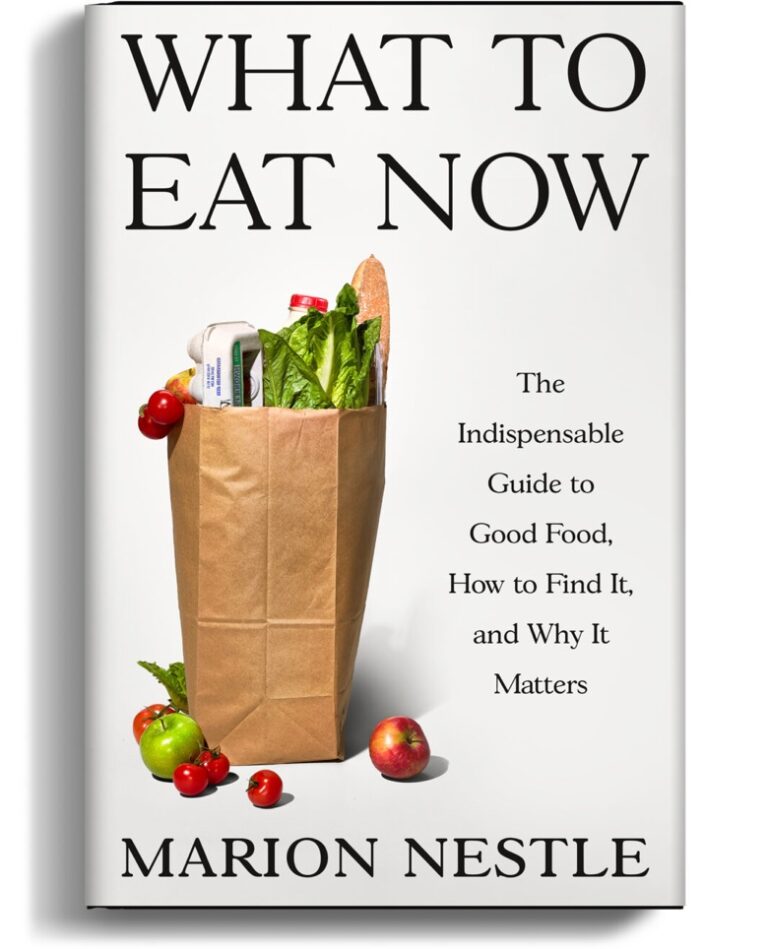
Now Available: What to Eat Now

My new book, What to Eat Now, is officially out!

It's both a field guide to food shopping in America and a reflection on how to eat well—and deliciously.

For more information and to order, click here.

You can explore the full archive of this (almost) daily blog at foodpolitics.com, where you'll also find information about my books, articles, media interviews, upcoming lectures, favorite resources, and FAQs.


​​​​​​​

Marion Nestle

Paulette Goddard Professor of Nutrition, Food Studies, and Public Health at New York University, Emerita


© Marion Nestle. You're receiving this email because you've signed up to receive updates from us.

If you'd prefer not to receive updates, you can unsubscribe.


Thursday, 19 November 2026

Patient Consistency and Interest Over 11-Year Span | Concierge Medicine Today

For eleven straight years, roughly three out of every four patients who came looking for a concierge doctor were looking for a relationship first, not a perk.

Latest from Food Politics: Peptides: science vs. "medical freedom"

I’ve been getting requests to say something about injections of unapproved peptides.   Why anyone would want to do that is beyond me, but lo...