Thursday, 14 May 2026

Latest from Food Politics: Ultra-processed food defined: not all that complicated
Secretary Kennedy promised to define ultra-processed foods by April (after a call for input), but then said it may be too complicated to define these foods for policy purposes. Apparently not. Healthy Eating Research convened an expert panel. It made ...
‌ ‌ ‌ ‌ ‌ ‌ ‌ ‌ ‌ ‌ ‌ ‌ ‌ ‌ ‌ ‌ ‌ ‌ ‌ ‌ ‌ ‌ ‌ ‌ ‌ ‌ ‌ ‌ ‌ ‌ ‌ ‌ ‌ ‌ ‌ ‌ ‌ ‌ ‌ ‌ ‌ ‌ ‌ ‌ ‌ ‌ ‌ ‌ ‌ ‌ ‌ ‌ ‌ ‌ ‌ ‌ ‌ ‌ ‌ ‌ ‌ ‌ ‌ ‌ ‌ ‌ ‌ ‌ ‌ ‌ ‌ ‌ ‌ ‌ ‌ ‌ ‌ ‌ ‌ ‌ ‌ ‌ ‌ ‌ ‌ ‌ ‌ ‌ ‌ ‌ ‌ ‌ ‌ ‌ ‌ ‌ ‌ ‌ ‌ ‌ ‌ ‌ ‌ ‌ ‌ ‌ ‌ ‌ ‌ ‌ ‌ ‌ ‌ ‌ ‌ ‌ ‌ ‌ ‌ ‌ ‌ ‌ ‌ ‌ ‌ ‌ ‌ ‌ ‌ ‌ ‌ ‌ ‌ ‌ ‌ ‌ ‌ ‌ ‌ ‌ ‌ ‌ ‌ ‌ ‌ ‌ ‌ ‌ ‌ ‌ ‌ ‌ ‌ ‌ ‌ ‌ ‌ ‌ ‌ ‌ ‌ ‌ ‌ ‌ ‌ ‌ ‌ ‌ ‌ ‌ ‌ ‌ ‌ ‌ ‌ ‌ ‌ ‌ ‌ ‌ ‌ ‌ ‌ ‌ ‌ ‌ ‌ ‌ ‌ ‌ ‌ ‌ ‌ ‌ ‌ ‌ ‌ ‌ ‌ ‌ ‌ ‌ ‌ ‌ ‌ ‌ ‌ ‌ ‌ ‌ ‌ ‌ ‌ ‌ ‌ ‌ ‌ ‌ ‌ ‌ ‌ ‌ ‌ ‌ ‌ ‌ ‌ ‌ ‌ ‌ ‌ ‌ ‌ ‌ ‌ ‌ ‌ ‌ ‌ ‌ ‌ ‌ ‌ ‌ ‌ ‌ ‌ ‌ ‌ ‌ ‌ ‌ ‌ ‌ ‌ ‌ ‌ ‌ ‌ ‌ 

By Marion Nestle

Ultra-processed food defined: not all that complicated

Secretary Kennedy promised to define ultra-processed foods by April (after a call for input), but then said it may be too complicated to define these foods for policy purposes.

Apparently not.

Healthy Eating Research convened an expert panel.

It made three recommendations:

I.  Definition

A food product is ultra-processed if it contains at least one

Cosmetic additive

Examples: flavors (natural or artificial), emulsifiers, sweeteners (both sugar and non-sugar), colors (natural or artificial), thickeners, bulking agents, gelling agents, glazing agents, carbonating agents, anti-foaming agents, and other additives recognized by FDA or Codex technical classifications.

And/or

Non-culinary ingredient

Examples: casein, dextrose, high-fructose corn syrup, maltodextrin, modified starch, protein isolates (e.g., soy or whey), hydrogenated or interesterified oils, mechanically separated meats, lactose, lecithin, and others.

II.  Exempt ingredients

Some ingredients do not mark foods as ultra-processed:

  • Vitamins
  • Minerals
  • Herbs
  • Spices
  • Yeast-derived ingredients

III.  Exempt foods

Foods that meet the FDA’s definition for “Healthy” claims are not considered ultra-processed.  These contain:

  • Adequate amounts of recommended food groups
  • Less than FDA thresholds for added sugar, sodium, and saturated fat
  • No non-sugar sweeteners

Using this definition, the panel recommended a broad range of policies to deal with ultra-processed foods.  These are worth a look and further discussion.  See:

FDA: take note.  This ought to work.  Now you can get started on some policy actions!

The post Ultra-processed food defined: not all that complicated appeared first on Food Politics by Marion Nestle

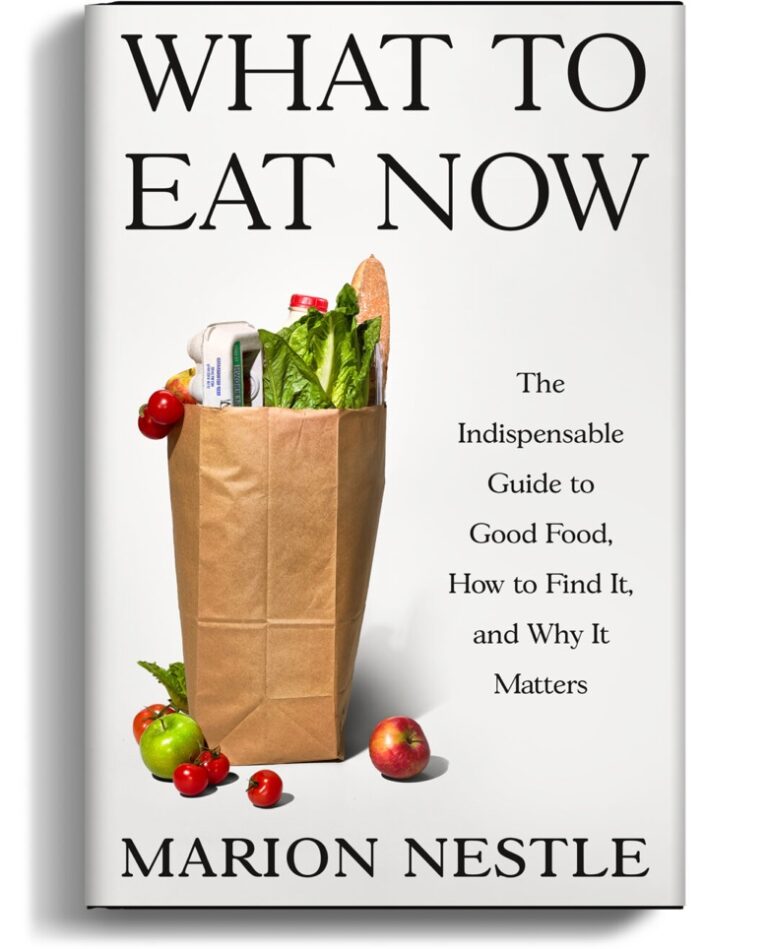
Now Available: What to Eat Now

My new book, What to Eat Now, is officially out!

It's both a field guide to food shopping in America and a reflection on how to eat well—and deliciously.

For more information and to order, click here.

You can explore the full archive of this (almost) daily blog at foodpolitics.comwhere you'll also find information about my books, articles, media interviews, upcoming lectures, favorite resources, and FAQs.


​​​​​​​

Marion Nestle

Paulette Goddard Professor of Nutrition, Food Studies, and Public Health at New York University, Emerita


© Marion Nestle. You're receiving this email because you've signed up to receive updates from us.

If you'd prefer not to receive updates, you can unsubscribe.


No comments:

Post a Comment

Latest from Food Politics: Ultra-processed food defined: not all that complicated

Secretary Kennedy promised to define ultra-processed foods by April (after a call for input), but then said it may be too complicated to d...