Thursday, 11 June 2026

Latest from Food Politics: Do salmon really get high on cocaine? And will you if you eat it?

I was riveted to come across this item. Coked-Up Salmon Go Speeding Upstream: Have you ever wondered whether the cocaine you snort ends up giving Atlantic salmon the zoomies? It turns out it does—at least to a certain extent. Welcome to the ...
‌ ‌ ‌ ‌ ‌ ‌ ‌ ‌ ‌ ‌ ‌ ‌ ‌ ‌ ‌ ‌ ‌ ‌ ‌ ‌ ‌ ‌ ‌ ‌ ‌ ‌ ‌ ‌ ‌ ‌ ‌ ‌ ‌ ‌ ‌ ‌ ‌ ‌ ‌ ‌ ‌ ‌ ‌ ‌ ‌ ‌ ‌ ‌ ‌ ‌ ‌ ‌ ‌ ‌ ‌ ‌ ‌ ‌ ‌ ‌ ‌ ‌ ‌ ‌ ‌ ‌ ‌ ‌ ‌ ‌ ‌ ‌ ‌ ‌ ‌ ‌ ‌ ‌ ‌ ‌ ‌ ‌ ‌ ‌ ‌ ‌ ‌ ‌ ‌ ‌ ‌ ‌ ‌ ‌ ‌ ‌ ‌ ‌ ‌ ‌ ‌ ‌ ‌ ‌ ‌ ‌ ‌ ‌ ‌ ‌ ‌ ‌ ‌ ‌ ‌ ‌ ‌ ‌ ‌ ‌ ‌ ‌ ‌ ‌ ‌ ‌ ‌ ‌ ‌ ‌ ‌ ‌ ‌ ‌ ‌ ‌ ‌ ‌ ‌ ‌ ‌ ‌ ‌ ‌ ‌ ‌ ‌ ‌ ‌ ‌ ‌ ‌ ‌ ‌ ‌ ‌ ‌ ‌ ‌ ‌ ‌ ‌ ‌ ‌ ‌ ‌ ‌ ‌ ‌ ‌ ‌ ‌ ‌ ‌ ‌ ‌ ‌ ‌ ‌ ‌ ‌ ‌ ‌ ‌ ‌ ‌ ‌ ‌ ‌ ‌ ‌ ‌ ‌ ‌ ‌ ‌ ‌ ‌ ‌ ‌ ‌ ‌ ‌ ‌ ‌ ‌ ‌ ‌ ‌ ‌ ‌ ‌ ‌ ‌ ‌ ‌ ‌ ‌ ‌ ‌ ‌ ‌ ‌ ‌ ‌ ‌ ‌ ‌ ‌ ‌ ‌ ‌ ‌ ‌ ‌ ‌ ‌ ‌ ‌ ‌ ‌ ‌ ‌ ‌ ‌ ‌ ‌ ‌ ‌ ‌ ‌ ‌ ‌ ‌ ‌ ‌ ‌ ‌ ‌ ‌ 

By Marion Nestle

Do salmon really get high on cocaine? And will you if you eat it?

I was riveted to come across this item.

Coked-Up Salmon Go Speeding UpstreamHave you ever wondered whether the cocaine you snort ends up giving Atlantic salmon the zoomies? It turns out it does—at least to a certain extent. Welcome to the Salmonopolis 500.

No.  It never entered my mind.

But now there is a study:  Cocaine pollution alters the movement and space use of Atlantic salmon (Salmo salar) in a large natural lake [Current Biology, 36, 2018-2027.e4]

Here, we combine slow-release chemical implants with acoustic telemetry tracking to reveal how environmentally realistic levels of cocaine and its main metabolite, benzoylecgonine, affect the movement of Atlantic salmon (Salmo salar) smolts in a large natural lake (Lake Vättern, Sweden). Benzoylecgonine exposure increased weekly movement rates of fish in the wild, with exposed fish swimming up to ∼1.9 times farther per week relative to controls. In addition, benzoylecgonine-exposed fish dispersed up to ∼12.3 km farther than control conspecifics.

Oh.  They put the cocaine into the fish.  Not a natural experiment.

But here’s another study, examining drugs in the natural environment: Pharmaceutical pollution of the world’s rivers  [PNAS:119 (8) e2113947119. https://doi.org/10.1073/pnas.2113947119]

Here, we present the findings of a global reconnaissance of pharmaceutical pollution in rivers. The study monitored 1,052 sampling sites along 258 rivers in 104 countries of all continents, thus representing the pharmaceutical fingerprint of 471.4 million people. We show that the presence of these contaminants in surface water poses a threat to environmental and/or human health in more than a quarter of the studied locations globally.

Cocaine did not show up as a major contaminant in this study.  Tylenol does; it is #1.

The contaminants with the highest concentrations were paracetamol, caffeine, metformin, fexofenadine, sulfamethoxazole (antimicrobial), metronidazole (antimicrobial), and gabapentin

Comment

We take a lot of Tylenol and drink a lot of coffee, explaining the two drugs most frequently found in this study.  Lots of people take metformin for type 2 diabetes.  The more drugs we take, the more we pee out, and the more gets into rivers.

The investigators found huge socioeconomic inequities in drug contamination.  There were drugs everywhere they sampled, even in Antarctica, but the highest levels were in low- and middle-income countries with unregulated pharmaceutical manufacturing plants, untreated sewage, and waste dumping.

Rivers with the lowest drug contamination were in remote areas with few people or those with access to modern medicine, were in places with effective wastewater treatment, or had so much flow that the drugs got diluted.

I’m not worried about cocaine in salmon.  And I live in New York City which has outstanding water treatment.

Otherwise?  Get a good filter.

The post Do salmon really get high on cocaine? And will you if you eat it? appeared first on Food Politics by Marion Nestle

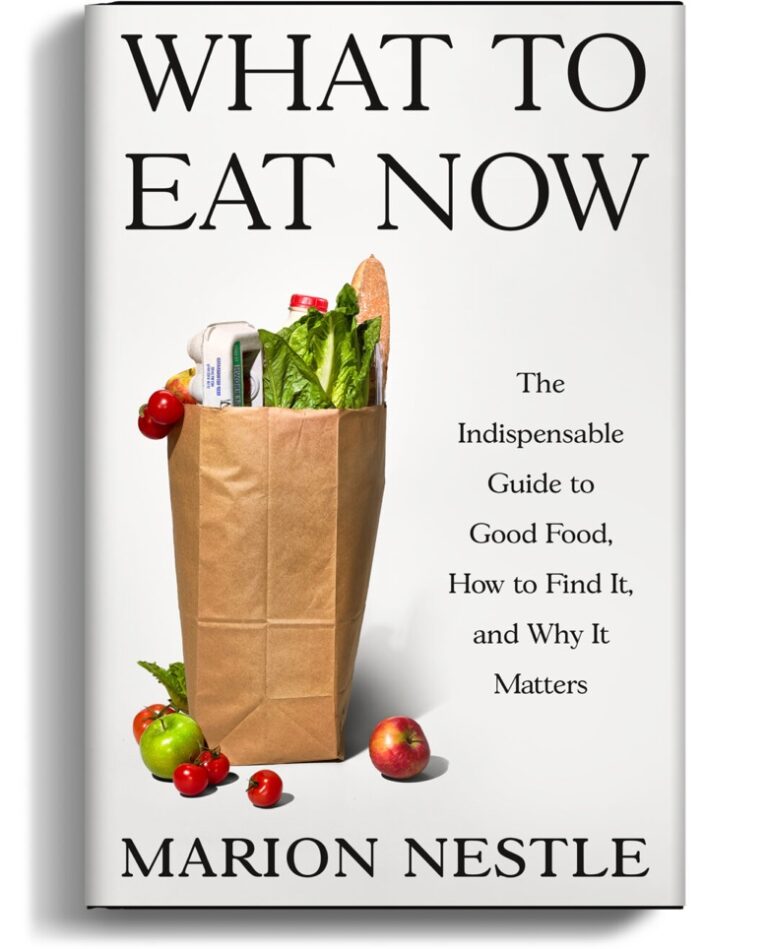
Now Available: What to Eat Now

My new book, What to Eat Now, is officially out!

It's both a field guide to food shopping in America and a reflection on how to eat well—and deliciously.

For more information and to order, click here.

You can explore the full archive of this (almost) daily blog at foodpolitics.comwhere you'll also find information about my books, articles, media interviews, upcoming lectures, favorite resources, and FAQs.


​​​​​​​

Marion Nestle

Paulette Goddard Professor of Nutrition, Food Studies, and Public Health at New York University, Emerita


© Marion Nestle. You're receiving this email because you've signed up to receive updates from us.

If you'd prefer not to receive updates, you can unsubscribe.


No comments:

Post a Comment

Latest from Food Politics: Do salmon really get high on cocaine? And will you if you eat it?

I was riveted to come across this item. Coked-Up Salmon Go Speeding Upstream: Have you ever wondered whether the cocaine you snort ends up...