Friday, 31 July 2026

Latest from Food Politics: Weekend reading: What the Trump administration has done to SNAP-and to grocery stores
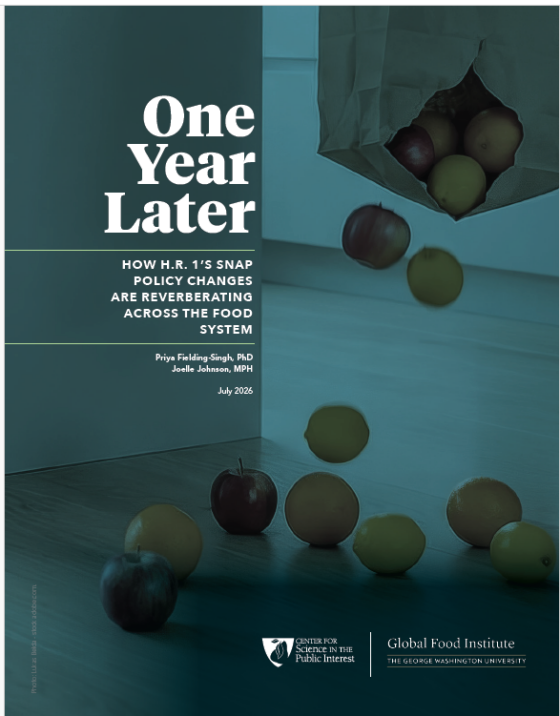
One Year Later: How H. R. 1’s SNAP Policy Changes Are Reverberating Across the Food System CSPI ad GFI frame this report in an interesting way, as a tale of two distinct, and sometimes at cross-purposes, Trump administration food agendas. The first, ...
‌ ‌ ‌ ‌ ‌ ‌ ‌ ‌ ‌ ‌ ‌ ‌ ‌ ‌ ‌ ‌ ‌ ‌ ‌ ‌ ‌ ‌ ‌ ‌ ‌ ‌ ‌ ‌ ‌ ‌ ‌ ‌ ‌ ‌ ‌ ‌ ‌ ‌ ‌ ‌ ‌ ‌ ‌ ‌ ‌ ‌ ‌ ‌ ‌ ‌ ‌ ‌ ‌ ‌ ‌ ‌ ‌ ‌ ‌ ‌ ‌ ‌ ‌ ‌ ‌ ‌ ‌ ‌ ‌ ‌ ‌ ‌ ‌ ‌ ‌ ‌ ‌ ‌ ‌ ‌ ‌ ‌ ‌ ‌ ‌ ‌ ‌ ‌ ‌ ‌ ‌ ‌ ‌ ‌ ‌ ‌ ‌ ‌ ‌ ‌ ‌ ‌ ‌ ‌ ‌ ‌ ‌ ‌ ‌ ‌ ‌ ‌ ‌ ‌ ‌ ‌ ‌ ‌ ‌ ‌ ‌ ‌ ‌ ‌ ‌ ‌ ‌ ‌ ‌ ‌ ‌ ‌ ‌ ‌ ‌ ‌ ‌ ‌ ‌ ‌ ‌ ‌ ‌ ‌ ‌ ‌ ‌ ‌ ‌ ‌ ‌ ‌ ‌ ‌ ‌ ‌ ‌ ‌ ‌ ‌ ‌ ‌ ‌ ‌ ‌ ‌ ‌ ‌ ‌ ‌ ‌ ‌ ‌ ‌ ‌ ‌ ‌ ‌ ‌ ‌ ‌ ‌ ‌ ‌ ‌ ‌ ‌ ‌ ‌ ‌ ‌ ‌ ‌ ‌ ‌ ‌ ‌ ‌ ‌ ‌ ‌ ‌ ‌ ‌ ‌ ‌ ‌ ‌ ‌ ‌ ‌ ‌ ‌ ‌ ‌ ‌ ‌ ‌ ‌ ‌ ‌ ‌ ‌ ‌ ‌ ‌ ‌ ‌ ‌ ‌ ‌ ‌ ‌ ‌ ‌ ‌ ‌ ‌ ‌ ‌ ‌ ‌ ‌ ‌ ‌ ‌ ‌ ‌ ‌ ‌ ‌ ‌ ‌ ‌ ‌ ‌ ‌ ‌ ‌ ‌ 

By Marion Nestle

Weekend reading: What the Trump administration has done to SNAP—and to grocery stores

One Year Later: How H.R. 1’s SNAP Policy Changes Are Reverberating Across the Food System

CSPI ad GFI frame this report in an interesting way, as a tale of two distinct, and sometimes at cross-purposes, Trump administration food agendas.

The first, reflected in Project 2025 and H.R. 1, represents an economic agenda focused on reducing federal spending on food assistance, shifting costs to states, and tightening eligibility so fewer people can access programs.

The second, embodied in the Presidentially-appointed Make America Healthy Again (MAHA) Commission’s assessment report and strategy, is a nutrition and public health agenda: reducing chronic disease by limiting ultra-processed foods in federal programs, promoting whole foods, and emphasizing personal responsibility in dietary choices.

These two strands sit in significant tension with one another.

Do they ever!

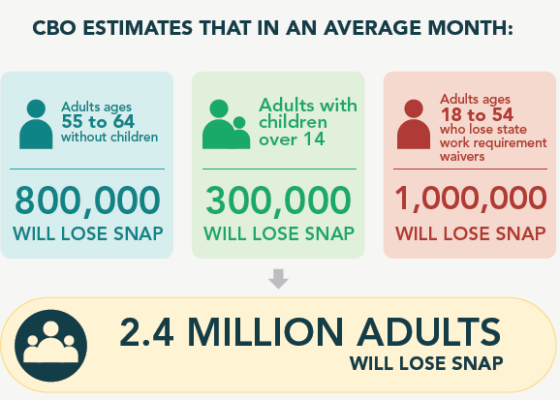
In just the first 8 months, 4 million people lost SNAP benefits. More than 750,000 children no longer have access. And we don’t yet know the toll that SNAP and Medicaid losses will have on WIC and free school meal participation stemming from loss of automatic eligibility conferred through SNAP and Medicaid.

That was the intent of the law, no?

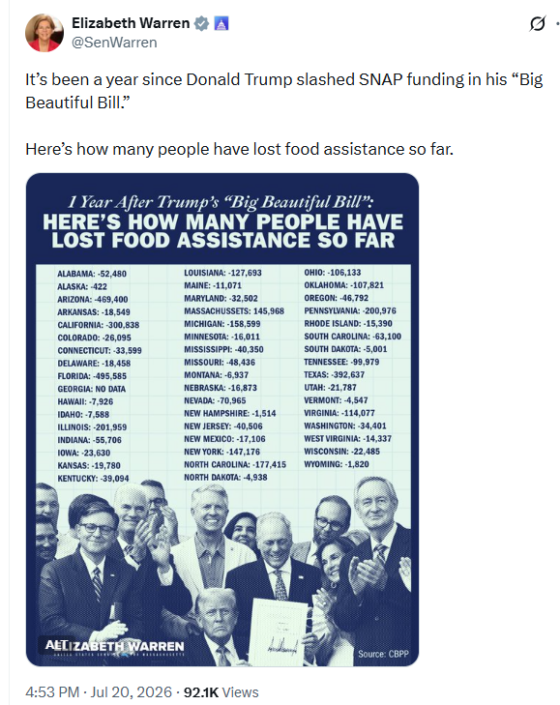
And here’s what Senator Elizabeth Warren says:

Impact on grocery stores

SNAP recipients account for an estimated 8% of grocery sales.  Fewer SNAP recipients means less income for grocery stores, especially those in low-income neighborhoods.

Estimated losses due to declining enrollments are about $10 billion.

____________________

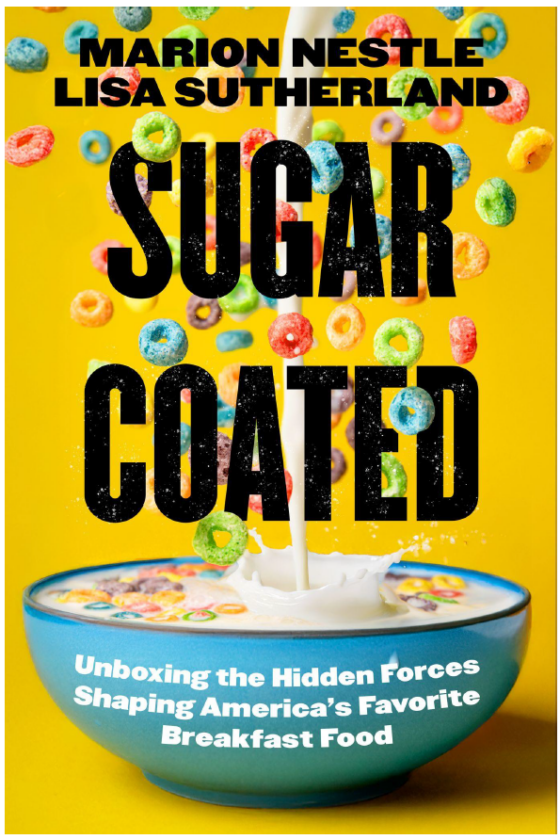
Pub date is September 8. Pre-orders through UC Press get a 30% discount. Use promo code UCPSAVE30.

The post Weekend reading: What the Trump administration has done to SNAP—and to grocery stores appeared first on Food Politics by Marion Nestle

Now Available: What to Eat Now

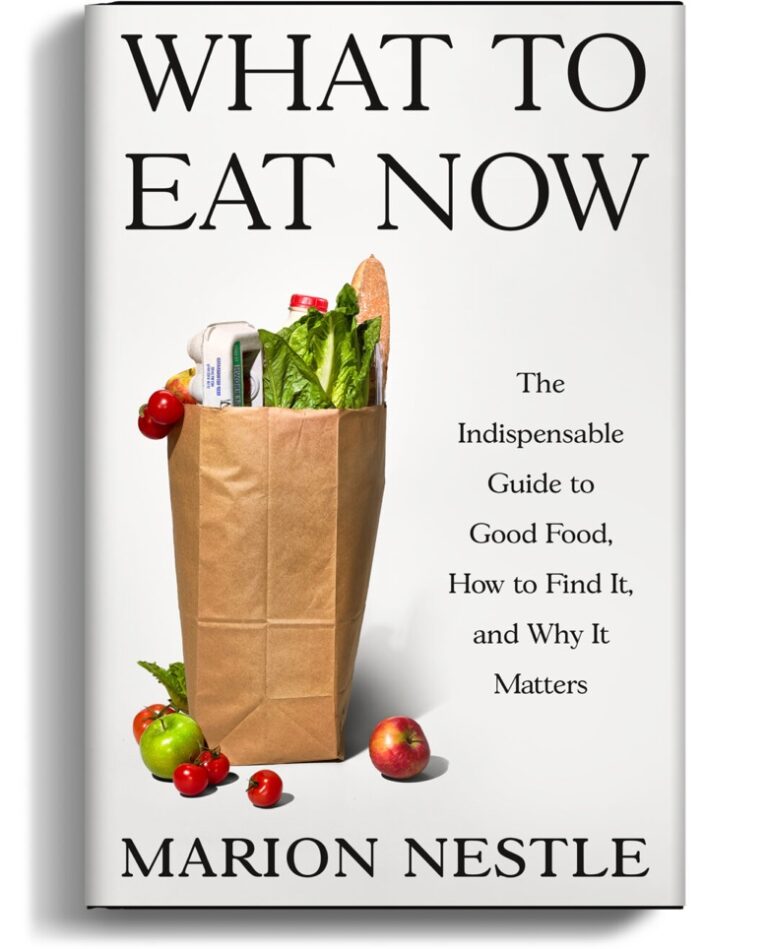
My new book, What to Eat Now, is officially out!

It's both a field guide to food shopping in America and a reflection on how to eat well—and deliciously.

For more information and to order, click here.

You can explore the full archive of this (almost) daily blog at foodpolitics.comwhere you'll also find information about my books, articles, media interviews, upcoming lectures, favorite resources, and FAQs.


​​​​​​​

Marion Nestle

Paulette Goddard Professor of Nutrition, Food Studies, and Public Health at New York University, Emerita


© Marion Nestle. You're receiving this email because you've signed up to receive updates from us.

If you'd prefer not to receive updates, you can unsubscribe.


No comments:

Post a Comment