Tuesday, 11 August 2026

Latest from Food Politics: Closing the GRAS loophole? It's about time, but is that all?
RFK Jr held a press conference yesterday to celebrate “the biggest news in food reform in modern history”—requiring food manufacturers to notify the FDA when they are introducing a new food additive they want considered Generally Recognized as ...
‌ ‌ ‌ ‌ ‌ ‌ ‌ ‌ ‌ ‌ ‌ ‌ ‌ ‌ ‌ ‌ ‌ ‌ ‌ ‌ ‌ ‌ ‌ ‌ ‌ ‌ ‌ ‌ ‌ ‌ ‌ ‌ ‌ ‌ ‌ ‌ ‌ ‌ ‌ ‌ ‌ ‌ ‌ ‌ ‌ ‌ ‌ ‌ ‌ ‌ ‌ ‌ ‌ ‌ ‌ ‌ ‌ ‌ ‌ ‌ ‌ ‌ ‌ ‌ ‌ ‌ ‌ ‌ ‌ ‌ ‌ ‌ ‌ ‌ ‌ ‌ ‌ ‌ ‌ ‌ ‌ ‌ ‌ ‌ ‌ ‌ ‌ ‌ ‌ ‌ ‌ ‌ ‌ ‌ ‌ ‌ ‌ ‌ ‌ ‌ ‌ ‌ ‌ ‌ ‌ ‌ ‌ ‌ ‌ ‌ ‌ ‌ ‌ ‌ ‌ ‌ ‌ ‌ ‌ ‌ ‌ ‌ ‌ ‌ ‌ ‌ ‌ ‌ ‌ ‌ ‌ ‌ ‌ ‌ ‌ ‌ ‌ ‌ ‌ ‌ ‌ ‌ ‌ ‌ ‌ ‌ ‌ ‌ ‌ ‌ ‌ ‌ ‌ ‌ ‌ ‌ ‌ ‌ ‌ ‌ ‌ ‌ ‌ ‌ ‌ ‌ ‌ ‌ ‌ ‌ ‌ ‌ ‌ ‌ ‌ ‌ ‌ ‌ ‌ ‌ ‌ ‌ ‌ ‌ ‌ ‌ ‌ ‌ ‌ ‌ ‌ ‌ ‌ ‌ ‌ ‌ ‌ ‌ ‌ ‌ ‌ ‌ ‌ ‌ ‌ ‌ ‌ ‌ ‌ ‌ ‌ ‌ ‌ ‌ ‌ ‌ ‌ ‌ ‌ ‌ ‌ ‌ ‌ ‌ ‌ ‌ ‌ ‌ ‌ ‌ ‌ ‌ ‌ ‌ ‌ ‌ ‌ ‌ ‌ ‌ ‌ ‌ ‌ ‌ ‌ ‌ ‌ ‌ ‌ ‌ ‌ ‌ ‌ ‌ ‌ ‌ ‌ ‌ ‌ ‌ 

By Marion Nestle

Closing the GRAS loophole? It’s about time, but is that all?

RFK Jr held a press conference yesterday to celebrate “the biggest news in food reform in modern history”—requiring food manufacturers to notify the FDA when they are introducing a new food additive they want considered Generally Recognized as Safe (GRAS).

This wasn’t already required?  No, it was not.  This gap is the long-troubling “GRAS loophole.”

Here’s what the press release says (my emphasis):

The FDA issued a proposed rule that would require manufacturers to notify the agency whenever they conclude that the use of a substance added to human or animal food is Generally Recognized as Safe (GRAS). The proposal would modernize the GRAS framework, increase transparency, and give the FDA greater visibility into substances entering the food supply.

Since Congress established the GRAS exemption in 1958, manufacturers have been permitted to reach their own conclusions that certain substances are generally recognized as safe under the conditions of their intended use.

Although the FDA has long operated voluntary notification programs, companies have not been required to notify the agency when making these determinations.

The proposed rule would modernize that framework by making GRAS notifications mandatory and expanding the public-facing inventory of submitted notices, significantly improving transparency while strengthening FDA’s ability to oversee ingredients entering the food supply.

For substances already on the market based on industry self-GRAS conclusions, the proposal would establish a time-limited streamlined submission pathway that would allow manufacturers to provide FDA with information about existing uses. This enables the agency to prioritize post-market safety evaluations while minimizing unnecessary regulatory burden.

Comment 

Food advocates for years have called for making GRAS notifications mandatory.  So this move is obvious, and long-awaited.

A reporter sent me an AI transcript of the press conference, which says how this will work (again, my emphasis).

What FDA will do is review a notification within 45 days to ensure that the elements required are in there. We’ll then docket that notification satisfying the requirement. FDA will then, within 180 days, review that notification substantively. If we have issues, we may either send a no questions letter or we may send we may send a letter determining that we don’t believe that the threshold has been established. But again, this is not a pre-market notification program. Companies are not prohibited from entering the market during the tenancy of that process, and they can continue to self-GRAS. What it does is require that companies notify us whenever they are self-GRASing an ingredient, and then we’re going to make that limited information public that’s set more than the regulation in 170.275.

So what’s the big deal?  Well, it’s the first food regulation proposed by the MAHA administration, and it closes the GRAS loophole.

What it does NOT do is keep unsafe additives out of the food supply.  Companies still have plenty of leeway to put whatever they want in their products.  This is not pre-market approval.  The FDA says it has no statutory authority to require that.

So why not go for it when you have the chance?  Despite the MAHA hoopla over the announcement, as Jerry Mande puts it, all this does is continue the FDA’s non-enforcement.

Another question: Does the FDA even have the staff to review food additive submissions, given the thousands who were fired or left?

Making GRAS notifications mandatory is a good thing to do.  Will doing this Make America Healthy Again?  A little, maybe, but it will be extremely hard to prove.

The big, easy-to-demonstrate food safety problems are ultra-processed foods (the FDA says it has sent an as yet unrevealed definition to OMB), and pathogenic microbes, like Cyclospora, with upwards of 25,000m cases so far, hundreds of hospitalizations, and at least two deaths.

And no, Cyclospora is not a food industry conspiracy to keep people from eating real foods–that idea is weird and unsupported by evidence.

Indeed, the FDA says:

Finally, though not part of today’s announcement, with respect to microbiological food safety, FDA will be publishing tomorrow a final guidance document titled “Guide to Minimize Biological Hazards And ready-to-eat fresh-cut produce. This final guidance is intended to help manufacturers and processors of fresh-cut produce comply with applicable FDA requirements and 21 CFR Part 117 titles current good manufacturing practices, hazard analysis, and risk-based prevention controls for human food.

Can’t wait to see this.  Stay tuned.

Resources

____________________

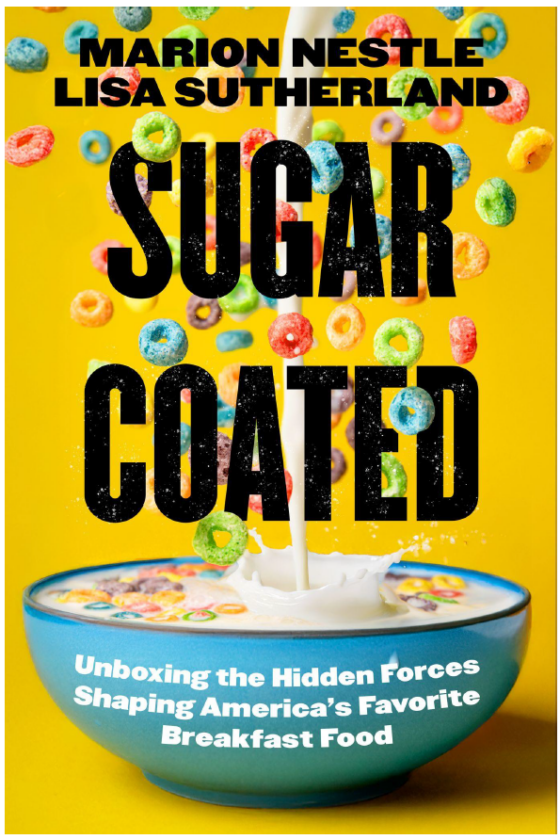
Arriving Sept 8. For a 30% discount, pre-order here using code UCPSAVE30.

The post Closing the GRAS loophole? It’s about time, but is that all? appeared first on Food Politics by Marion Nestle

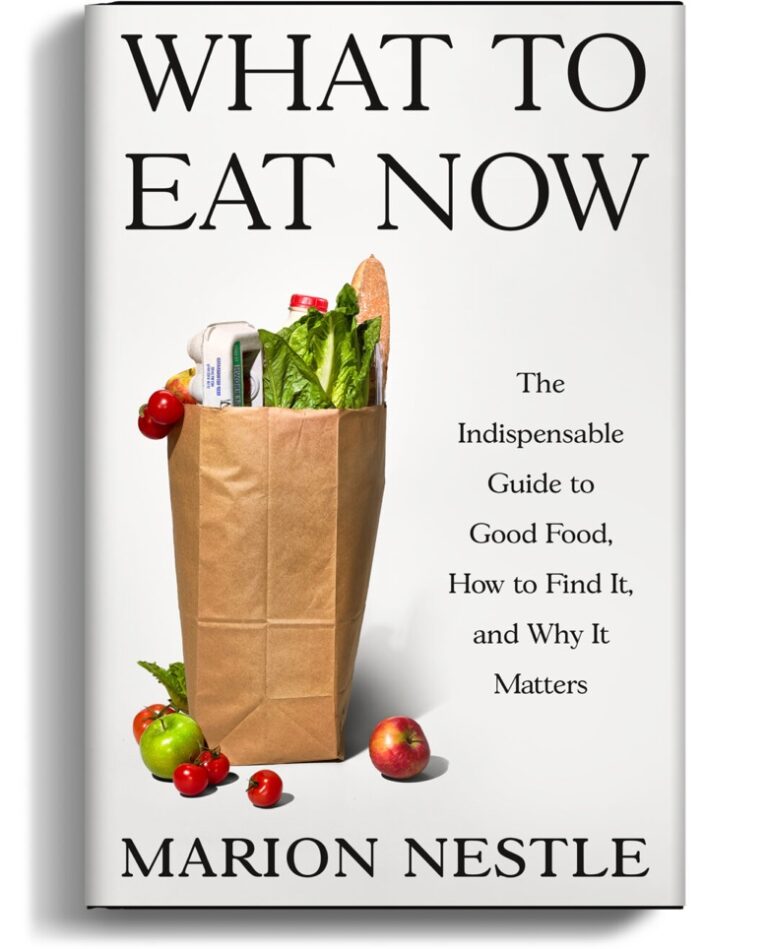
Now Available: What to Eat Now

My new book, What to Eat Now, is officially out!

It's both a field guide to food shopping in America and a reflection on how to eat well—and deliciously.

For more information and to order, click here.

You can explore the full archive of this (almost) daily blog at foodpolitics.comwhere you'll also find information about my books, articles, media interviews, upcoming lectures, favorite resources, and FAQs.


​​​​​​​

Marion Nestle

Paulette Goddard Professor of Nutrition, Food Studies, and Public Health at New York University, Emerita


© Marion Nestle. You're receiving this email because you've signed up to receive updates from us.

If you'd prefer not to receive updates, you can unsubscribe.


No comments:

Post a Comment

Latest from Food Politics: Closing the GRAS loophole? It's about time, but is that all?
RFK Jr held a press conference yesterday to celebrate “the biggest news in food reform in modern history”—requiring food manufacturers to ...