Wednesday, 30 September 2026

Latest from Food Politics: Is the food industry really in trouble?
  I keep repeating: the food industry is in trouble. People are eating le. Eating less is bad for business. Why are food sales down? RFK Jr says the food industry is poisoning America Concerns about ultra-processed foods are reducing sales of the most ...
‌ ‌ ‌ ‌ ‌ ‌ ‌ ‌ ‌ ‌ ‌ ‌ ‌ ‌ ‌ ‌ ‌ ‌ ‌ ‌ ‌ ‌ ‌ ‌ ‌ ‌ ‌ ‌ ‌ ‌ ‌ ‌ ‌ ‌ ‌ ‌ ‌ ‌ ‌ ‌ ‌ ‌ ‌ ‌ ‌ ‌ ‌ ‌ ‌ ‌ ‌ ‌ ‌ ‌ ‌ ‌ ‌ ‌ ‌ ‌ ‌ ‌ ‌ ‌ ‌ ‌ ‌ ‌ ‌ ‌ ‌ ‌ ‌ ‌ ‌ ‌ ‌ ‌ ‌ ‌ ‌ ‌ ‌ ‌ ‌ ‌ ‌ ‌ ‌ ‌ ‌ ‌ ‌ ‌ ‌ ‌ ‌ ‌ ‌ ‌ ‌ ‌ ‌ ‌ ‌ ‌ ‌ ‌ ‌ ‌ ‌ ‌ ‌ ‌ ‌ ‌ ‌ ‌ ‌ ‌ ‌ ‌ ‌ ‌ ‌ ‌ ‌ ‌ ‌ ‌ ‌ ‌ ‌ ‌ ‌ ‌ ‌ ‌ ‌ ‌ ‌ ‌ ‌ ‌ ‌ ‌ ‌ ‌ ‌ ‌ ‌ ‌ ‌ ‌ ‌ ‌ ‌ ‌ ‌ ‌ ‌ ‌ ‌ ‌ ‌ ‌ ‌ ‌ ‌ ‌ ‌ ‌ ‌ ‌ ‌ ‌ ‌ ‌ ‌ ‌ ‌ ‌ ‌ ‌ ‌ ‌ ‌ ‌ ‌ ‌ ‌ ‌ ‌ ‌ ‌ ‌ ‌ ‌ ‌ ‌ ‌ ‌ ‌ ‌ ‌ ‌ ‌ ‌ ‌ ‌ ‌ ‌ ‌ ‌ ‌ ‌ ‌ ‌ ‌ ‌ ‌ ‌ ‌ ‌ ‌ ‌ ‌ ‌ ‌ ‌ ‌ ‌ ‌ ‌ ‌ ‌ ‌ ‌ ‌ ‌ ‌ ‌ ‌ ‌ ‌ ‌ ‌ ‌ ‌ ‌ ‌ ‌ ‌ ‌ ‌ ‌ ‌ ‌ ‌ ‌ 

By Marion Nestle

Is the food industry really in trouble?
 

I keep repeating: the food industry is in trouble.

People are eating le.

Eating less is bad for business.

Why are food sales down?

  • RFK Jr says the food industry is poisoning America
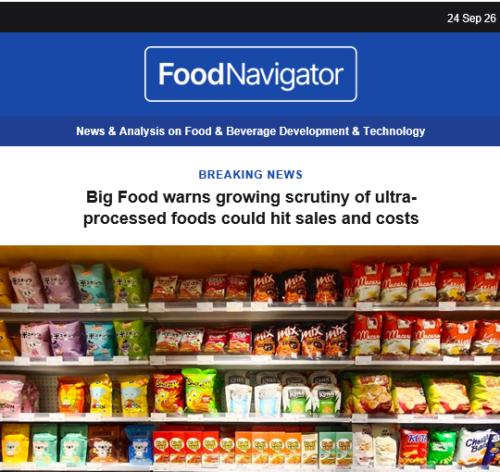
  • Concerns about ultra-processed foods are reducing sales of the most profitable products.
  • GLP-1 drugs encourage users to eat less.
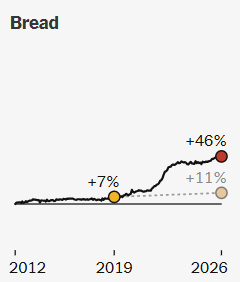
  • Inflation is raising the cost of food.

Here is one example of what’s happening to food companies:

Cuts to SNAP also affect the grocery industry.

But the biggest factor is the GLP-1 drugs.

GLP-1 drugs put $73B in global food value at risk, report finds: PepsiCo’s Lay’s is the most exposed food brand, with Doritos, Hershey’s, Cheetos, Kellogg’s and Reese’s also vulnerable, Brand Finance determined.

For Food Companies, Shifts From GLP-1 Use Are Hard to Digest: People on medications for weight loss are buying less food, shrinking their portion sizes and purchasing smaller clothes. Businesses are trying to adjust.

But the drugs slow digestion, leading people to eat fewer calories a day. They are often instructed by physicians to consume more protein to protect muscles and more fiber to offset gastrointestinal issues that can sometimes result.

So consumers aren’t just eating less when on the medications, they’re eating differently, moving away from breads and pastas and toward more meats and vegetables.

The food industry is scrambling to keep up:

Big Food’s Big Reset: Why the industry’s changing faster than ever:  From C-suite shake-ups to targeted acquisitions, Big Food is rethinking how to win in a rapidly changing market… Read more

Already, sales of alcohol, chips, ice cream and sodas have taken a hit from consumers on the medications…Analysts at J.P. Morgan predict that as GLP-1 treatments proliferate spending on food and beverage industry revenues could fall by as much as $55 billion by 2030. Food companies, facing declining sales, are racing to develop products they hope will appeal to those customers.

As researchers Luc L. Hagenaars and Laura A. Schmidt write in Science, (Un)intended consequences of mass-prescribing GLP-1s

The food industry has a long-demonstrated capacity to turn health concerns into market opportunities, while deflecting attention from its role in the obesity epidemic. The Ozempic era could therefore have the unintended consequence of consolidating the food industry’s market power, while perpetuating price inflation and unhealthy food environments.

Stay tuned on this one.

The post Is the food industry really in trouble? appeared first on Food Politics by Marion Nestle
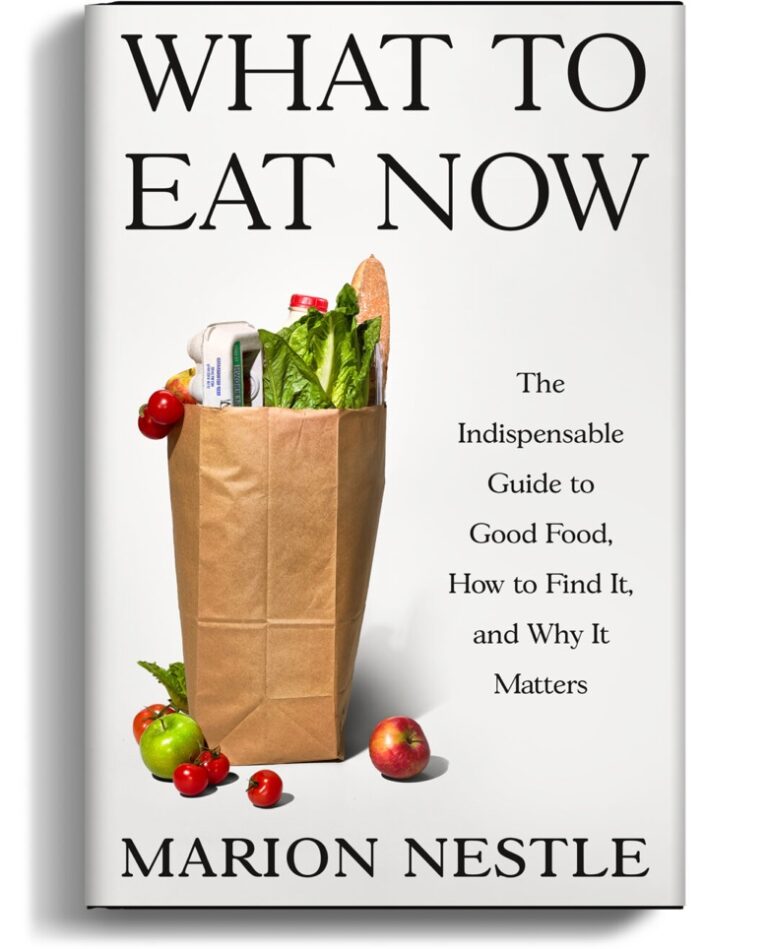
Now Available: What to Eat Now

My new book, What to Eat Now, is officially out!

It's both a field guide to food shopping in America and a reflection on how to eat well—and deliciously.

For more information and to order, click here.

You can explore the full archive of this (almost) daily blog at foodpolitics.com, where you'll also find information about my books, articles, media interviews, upcoming lectures, favorite resources, and FAQs.


​​​​​​​

Marion Nestle

Paulette Goddard Professor of Nutrition, Food Studies, and Public Health at New York University, Emerita


© Marion Nestle. You're receiving this email because you've signed up to receive updates from us.

If you'd prefer not to receive updates, you can unsubscribe.


No comments:

Post a Comment

Latest from Food Politics: Is the food industry really in trouble?

  I keep repeating: the food industry is in trouble. People are eating le. Eating less is bad for business. Why are food sales down? RFK J...