Monday, 19 October 2026

Latest from Food Politics: Industry-funded study of the week: artificially sweetened drinks vs. water
Phil Baker sent me this one: The Study: Effect of non-nutritive sweetened beverages v. water on body weight: long-term results of a randomised controlled trial.    Joanne A. Harrold , Scott Hill, Cristina Radu, Paul Thomas, Paula Thorp, Charlotte A. ...
‌ ‌ ‌ ‌ ‌ ‌ ‌ ‌ ‌ ‌ ‌ ‌ ‌ ‌ ‌ ‌ ‌ ‌ ‌ ‌ ‌ ‌ ‌ ‌ ‌ ‌ ‌ ‌ ‌ ‌ ‌ ‌ ‌ ‌ ‌ ‌ ‌ ‌ ‌ ‌ ‌ ‌ ‌ ‌ ‌ ‌ ‌ ‌ ‌ ‌ ‌ ‌ ‌ ‌ ‌ ‌ ‌ ‌ ‌ ‌ ‌ ‌ ‌ ‌ ‌ ‌ ‌ ‌ ‌ ‌ ‌ ‌ ‌ ‌ ‌ ‌ ‌ ‌ ‌ ‌ ‌ ‌ ‌ ‌ ‌ ‌ ‌ ‌ ‌ ‌ ‌ ‌ ‌ ‌ ‌ ‌ ‌ ‌ ‌ ‌ ‌ ‌ ‌ ‌ ‌ ‌ ‌ ‌ ‌ ‌ ‌ ‌ ‌ ‌ ‌ ‌ ‌ ‌ ‌ ‌ ‌ ‌ ‌ ‌ ‌ ‌ ‌ ‌ ‌ ‌ ‌ ‌ ‌ ‌ ‌ ‌ ‌ ‌ ‌ ‌ ‌ ‌ ‌ ‌ ‌ ‌ ‌ ‌ ‌ ‌ ‌ ‌ ‌ ‌ ‌ ‌ ‌ ‌ ‌ ‌ ‌ ‌ ‌ ‌ ‌ ‌ ‌ ‌ ‌ ‌ ‌ ‌ ‌ ‌ ‌ ‌ ‌ ‌ ‌ ‌ ‌ ‌ ‌ ‌ ‌ ‌ ‌ ‌ ‌ ‌ ‌ ‌ ‌ ‌ ‌ ‌ ‌ ‌ ‌ ‌ ‌ ‌ ‌ ‌ ‌ ‌ ‌ ‌ ‌ ‌ ‌ ‌ ‌ ‌ ‌ ‌ ‌ ‌ ‌ ‌ ‌ ‌ ‌ ‌ ‌ ‌ ‌ ‌ ‌ ‌ ‌ ‌ ‌ ‌ ‌ ‌ ‌ ‌ ‌ ‌ ‌ ‌ ‌ ‌ ‌ ‌ ‌ ‌ ‌ ‌ ‌ ‌ ‌ ‌ ‌ ‌ ‌ ‌ ‌ ‌ 

By Marion Nestle

Industry-funded study of the week: artificially sweetened drinks vs. water

Phil Baker sent me this one:

The Study: Effect of non-nutritive sweetened beverages v. water on body weight: long-term results of a randomised controlled trial.   Joanne A. Harrold , Scott Hill, Cristina Radu, Paul Thomas, Paula Thorp, Charlotte A. Hardman, Paul Christiansen, Una Masic, Lauren McGale, Dan J. Cuthbertson and Jason C.G. Halford. . British Journal of Nutrition 136: 482–493. doi: 10.1017/ S0007114526108150

Purpose: The aim of this study was to provide robust evidence on the long-term use of non-nutritive sweetened (NNS) beverages on weight management.

Method: Compare NNS beverages to water during 1 year of assisted weight management followed by a voluntary, unassisted 1-year extension.

Results: Participants consuming water maintained a weight loss of 3·7 kg over 104weeks, compared with 4·8 kg with NNS beverages (not statistically significant).

Conclusion: Our findings suggest people can lose weight and maintain it for 2 years, when drinking either NNS beverages or water and taking part in weight-management programmes.

Financial support. This trial was funded by the American Beverage Association. The American Beverage Association was not involved in the design, conduct, analysis of data or interpretation of this trial; a representative from the American Beverage Association was provided with the opportunity to review the manuscript. Final decisions regarding the content were made by the authors. The manuscript was developed with the assistance of a medical writer, funded by the American Beverage Association, under the direction of the authors. A third-party organisation (Biofortis) audited data at the clinical site to check for the accuracy and integrity of the data.

Competing interests. Joanne A. Harrold reports funding (paid to the University of Liverpool) from the American Beverage Association for the present study. Outside of the submitted work, she reports a grant from the European Commission for the Horizon 2020 project SWEET. Scott Hill reports funding (paid to the University of Liverpool) from the American Beverage Association for the present study. Cristina Radu reports funding (paid to the University of Liverpool) from the American Beverage Association for the present study and funding from Coca Cola for a PhD studentship outside of the submitted work. Paul Thomas reports funding (paid to the University of Liverpool) from the American Beverage Association for the present study. Paula Thorp reports funding (paid to the University of Liverpool) from the American Beverage Association for the present study. Charlotte A. Hardman reports funding (paid to the University of Liverpool) from the American Beverage Association for the present study. Outside of the submitted work, she reports honoraria from the International Sweeteners Association, International Food Information Council and Mars Global Nutrition Advisory Council (paid to the University of Liverpool); grants from the European Commission for the Horizon 2020 project SWEET, the Biotechnology & Biological Sciences Research Council and the Natural Environment Research Council (paid to the University of Liverpool); primary supervisor on a PhD studentship funded by Coca Cola (awarded to CR); personal fees for her role on the Food Standards Agency Advisory Committee on Social Sciences and an unpaid role as a trustee of Feeding Liverpool. Paul Christiansen reports funding (paid to the University of Liverpool) from the American Beverage Association for the present study. Outside of the submitted work, he reports grants from the European Commission for the Horizon 2020 project SWEET, the National Institute for Health and Care Research, the Home Office UK and the Federal Bureau of Investigation and personal fees from Kaplan and Crohn’sandColitisUK. Una Masic reports funding (paid to the University of Liverpool) from the American Beverage Association for the present study. Lauren McGale reports funding (paid to the University of Liverpool) from the American Beverage Association for the present study. Outside of the submitted work, she reports funding (paid to the University ofLiverpool) fromtheWHO,andfunding(paid to the University of Wollongong) from the Australian Government’s Department of Health and Aged Care. Daniel J. Cuthbertson reports funding (paid to the University of Liverpool) from the American Beverage Association for the present study. Outside of the submitted work, he reports funding from Novo Nordisk and AstraZeneca for investigator-initiated research and consultancy (paid to the University of Liverpool) and educational grants from Perspectum. Jason C.G. Halford reports funding (paid to the University of Liverpool) from the American Beverage Association for the present study. Outside of the submitted work, he reports a grant from the European Commission for the Horizon 2020 project SWEET; consultancy fees from Boehringer Ingelheim, Dupont and Mars (all paid to the University of Leeds); honoraria from Novo Nordisk (paid to the University of Leeds); support for attending meetings from Novo Nordisk; financial support for participation in an advisory board for Dupont (paid to the University of Leeds); unpaid participation in an advisory board for the Sweet Tooth Project and unpaid board membership of the European Coalition of People Living with Obesity. He is treasurer of the World Obesity Federation.

Comment: This study was commissioned by, paid for, and reviewed  by the American Beverage Association.  The authors were paid by the ABA to do the study (the University of Leeds must be a hotbed of research funded by the soda industry).  Why do this?  People consuming artificially sweetened drinks sometimes are shown to gain weight on them.  This study aimed to demonstrate—and did—that artificially sweetened drinks are as good as water during weight loss.  The ABA got what it paid for.

The post Industry-funded study of the week: artificially sweetened drinks vs. water appeared first on Food Politics by Marion Nestle

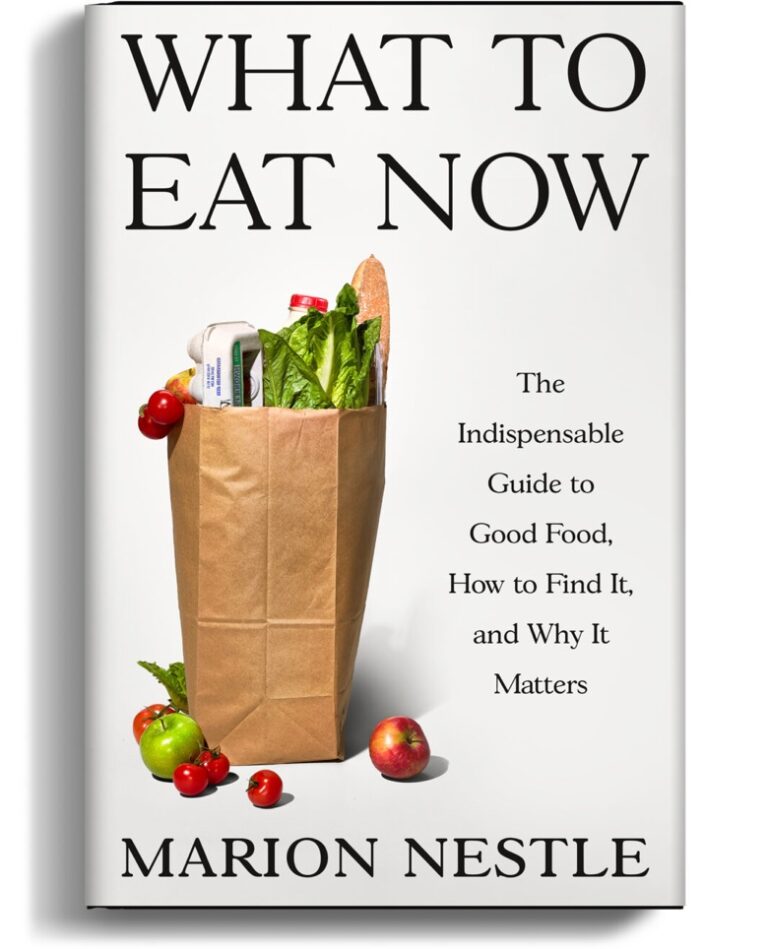
Now Available: What to Eat Now

My new book, What to Eat Now, is officially out!

It's both a field guide to food shopping in America and a reflection on how to eat well—and deliciously.

For more information and to order, click here.

You can explore the full archive of this (almost) daily blog at foodpolitics.com, where you'll also find information about my books, articles, media interviews, upcoming lectures, favorite resources, and FAQs.


​​​​​​​

Marion Nestle

Paulette Goddard Professor of Nutrition, Food Studies, and Public Health at New York University, Emerita


© Marion Nestle. You're receiving this email because you've signed up to receive updates from us.

If you'd prefer not to receive updates, you can unsubscribe.


No comments:

Post a Comment

Latest from Food Politics: Industry-funded study of the week: artificially sweetened drinks vs. water

Phil Baker sent me this one: The Study: Effect of non-nutritive sweetened beverages v. water on body weight: long-term results of a random...