Monday, 5 January 2026

Latest from Food Politics: Industry-funded studies of the week: Beef

Rumors are that the 2025=2030 dietary guidelines will be released this week and they will favor saturated fat and meat.   We will know whether this is true when they appear, and I will be sure to report on them when they do. In the meantime, the meat ...
‌ ‌ ‌ ‌ ‌ ‌ ‌ ‌ ‌ ‌ ‌ ‌ ‌ ‌ ‌ ‌ ‌ ‌ ‌ ‌ ‌ ‌ ‌ ‌ ‌ ‌ ‌ ‌ ‌ ‌ ‌ ‌ ‌ ‌ ‌ ‌ ‌ ‌ ‌ ‌ ‌ ‌ ‌ ‌ ‌ ‌ ‌ ‌ ‌ ‌ ‌ ‌ ‌ ‌ ‌ ‌ ‌ ‌ ‌ ‌ ‌ ‌ ‌ ‌ ‌ ‌ ‌ ‌ ‌ ‌ ‌ ‌ ‌ ‌ ‌ ‌ ‌ ‌ ‌ ‌ ‌ ‌ ‌ ‌ ‌ ‌ ‌ ‌ ‌ ‌ ‌ ‌ ‌ ‌ ‌ ‌ ‌ ‌ ‌ ‌ ‌ ‌ ‌ ‌ ‌ ‌ ‌ ‌ ‌ ‌ ‌ ‌ ‌ ‌ ‌ ‌ ‌ ‌ ‌ ‌ ‌ ‌ ‌ ‌ ‌ ‌ ‌ ‌ ‌ ‌ ‌ ‌ ‌ ‌ ‌ ‌ ‌ ‌ ‌ ‌ ‌ ‌ ‌ ‌ ‌ ‌ ‌ ‌ ‌ ‌ ‌ ‌ ‌ ‌ ‌ ‌ ‌ ‌ ‌ ‌ ‌ ‌ ‌ ‌ ‌ ‌ ‌ ‌ ‌ ‌ ‌ ‌ ‌ ‌ ‌ ‌ ‌ ‌ ‌ ‌ ‌ ‌ ‌ ‌ ‌ ‌ ‌ ‌ ‌ ‌ ‌ ‌ ‌ ‌ ‌ ‌ ‌ ‌ ‌ ‌ ‌ ‌ ‌ ‌ ‌ ‌ ‌ ‌ ‌ ‌ ‌ ‌ ‌ ‌ ‌ ‌ ‌ ‌ ‌ ‌ ‌ ‌ ‌ ‌ ‌ ‌ ‌ ‌ ‌ ‌ ‌ ‌ ‌ ‌ ‌ ‌ ‌ ‌ ‌ ‌ ‌ ‌ ‌ ‌ ‌ ‌ ‌ ‌ ‌ ‌ ‌ ‌ ‌ ‌ ‌ ‌ ‌ ‌ ‌ ‌ 

By Marion Nestle

Industry-funded studies of the week: Beef

Rumors are that the 2025=2030 dietary guidelines will be released this week and they will favor saturated fat and meat.  We will know whether this is true when they appear, and I will be sure to report on them when they do.

In the meantime, the meat industry is hard at work to try to convince you that meat is good for you and the more the better.  Here are two examples sent to me recently.

I.  From Serge Hercberg, developer of Nutri-Score.

  • The study: Red meat intake and its influences on inflammation and immune function biomarkers in human adults: a systematic review and meta-analysis of randomized controlled trials and observational studies. Critical Reviews in Food Science and Nutrition, 1–14. https://doi.org/10.1080/10408398.2025.2584482
  • Conclusion: “Limited evidence from both experimental and observational research suggests no influence of red meat intake on multiple pro-inflammatory, anti-inflammatory, and immune function biomarkers…These results are consistent with recommendations for people who choose to consume red meat to limit or avoid consuming processed red meat, especially among individuals with cardiometabolic diseases.”
  • Disclosure statement: “During the time this research was conducted, W.W.C. received funding for research grants, travel or honoraria for scientific presentations, or consulting services from the following organizations: U.S. National Institutes of Health, U.S. Department of Agriculture (Hatch Funding), Pork Checkoff, National Pork Board, Beef Checkoff, North Dakota Beef Commission, National Cattlemen’s Beef Association, Foundation for Meat and Poultry Research and Education, American Egg Board, Whey Protein Research Consortium, National Dairy Council, Barilla Group, Mushroom Council, and the National Chicken Council. J.B.R. received funding for research grants from the National Cattleman’s Beef Association, Whey Protein Research Consortium, and National Chicken Council. M.R.O. received funding for research grants from the National Cattleman’s Beef Association. Y.W., C.N.U., E.R.H., J.N.S., and N.L.A. declare no conflict of interest. The funders and these other organizations had no role in the design of the study; in the collection, analyses, or interpretation of data; in the writing of the manuscript; or in the decision to publish the results.” [my emphasis]
  • Funding: “The National Cattlemen’s Beef Association, a contractor to the Beef Checkoff.”

II.   From a reader, Cory Brooks

  • Press release: “Eating meat may protect against cancer, landmark research shows:  A large study of nearly 16,000 adults found no link between eating animal protein and higher death risk. Surprisingly, higher animal protein intake was associated with lower cancer mortality, supporting its role in a balanced, health-promoting diet.”
  • The study: Yanni Papanikolaou, Stuart M. Phillips, Victor L. Fulgoni. Animal and plant protein usual intakes are not adversely associated with all-cause, cardiovascular disease–, or cancer-related mortality risk: an NHANES III analysisApplied Physiology, Nutrition, and Metabolism, 2025; 50: 1 DOI: 10.1139/apnm-2023-0594
  • Conclusion: “Our data do not support the thesis that source-specific protein intake is associated with greater mortality risk; however, animal protein may be mildly protective for cancer mortality. “
  • Funding: From the press release: “This research was funded by the National Cattlemen’s Beef Association (NCBA), a contractor to the Beef Checkoff. NCBA was not involved in the study design, data collection and analysis or publication of the findings.”

Comment: We have here two studies funded by the National Cattlemen’s Beef Association, the research and education arm of the USDA-sponsored Beef Checkoff.  Checkoff programs are designed to promote consumer demand for the sponsored food, in this case, beef.  Eating less beef has long been viewed as beneficial to human health, because of studies linking beef consumption to certain cancers.  Eating less beef is demonstrably beneficial to the environment since beef production results in so much waste pollution and greenhouse gas emission.  The NCBA would prefer that you not think about potential health risks.  Hence, this sponsored research.

As for the statements about the funder having no involvement: these are demonstrably misleading.  The NCBA does not fund research unlikely to produce results in its interests.  The influence is there from the get go.

The post Industry-funded studies of the week: Beef appeared first on Food Politics by Marion Nestle

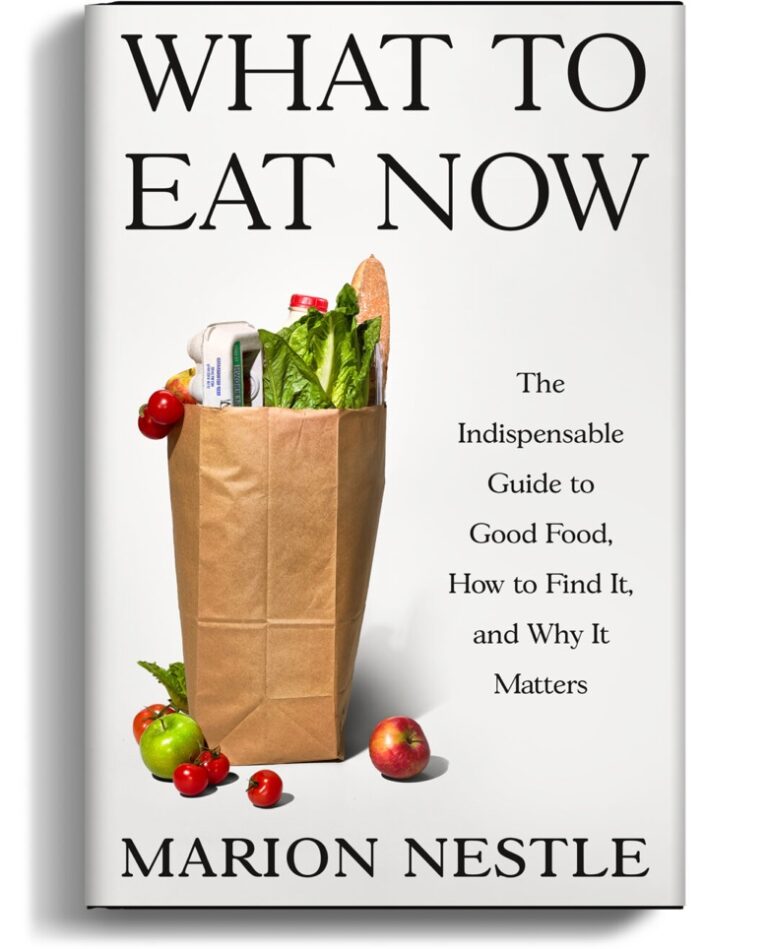
Now Available: What to Eat Now

My new book, What to Eat Now, is officially out!

It's both a field guide to food shopping in America and a reflection on how to eat well—and deliciously.

For more information and to order, click here.

You can explore the full archive of this (almost) daily blog at foodpolitics.comwhere you'll also find information about my books, articles, media interviews, upcoming lectures, favorite resources, and FAQs.


​​​​​​​

Marion Nestle

Paulette Goddard Professor of Nutrition, Food Studies, and Public Health at New York University, Emerita


© Marion Nestle. You're receiving this email because you've signed up to receive updates from us.

If you'd prefer not to receive updates, you can unsubscribe.


Sunday, 4 January 2026

The Latest from Radio Health Journal - 01/04/26

View this email in your browser
The latest from Radio Health Journal:

What An Extra Five Pounds Can Do To Your Spine – And How To Prevent It

Published: Jan 04, 2026 05:05 am

Rather than chasing quick fixes, our experts explain small, steady habits that can protect the body and support healthier aging.

Comments | Read in browser »

The Science Behind Happiness And Human Emotion

Published: Jan 04, 2026 05:04 am

This segment explores how emotions guide our daily lives, and whether learning to understand them can change how we respond to the world.

Comments | Read in browser »

Medical Notes: Why Women Need To Eat More Produce, A New Test For Food Allergies, And Why Kids Learn Better When They're Moving

Published: Dec 31, 2025 05:00 am

We can diagnose food allergies earlier than ever before. Should women eat more produce? New research could help veterans get the treatment they need. Should grade school classrooms be more active?

Comments | Read in browser »
 

Click on the image below to listen to the In Good Health podcast on any platform:

Looking for more to listen to? Grab-and-go content with trending AURN-produced podcasts:

Find exclusive content and support our show by following us on Instagram, X, Facebook, YouTube, Threads, Spotify, and more using the links below.
Instagram
Twitter
Facebook
YouTube
Threads
Spotify
RSS
Website
Copyright © 2026 American Urban Radio Networks, All rights reserved.
You are receiving this email because you opted in at radiohealthjorunal.org to receive our newsletter.

Our mailing address is:
American Urban Radio Networks
938 Penn Ave Ste 701
Pittsburgh, PA 15222-3710

Add us to your address book


Want to change how you receive these emails?
You can update your preferences or unsubscribe from this list.

Saturday, 3 January 2026

Happy New Year!

Latest from Food Politics: Weekend reading: Sustainable Development Goals progress (or lack thereof)

I am totally for the UN’s Sustainable Development Goals (SDGs). In 2015, they set targets for the betterment of global populations, to be ...